Can Gallbladder Stones Go Away on Their Own? UK Medical Advice
Explore the facts about gallbladder stones and their treatment options in the UK. Learn about natural remedies and when to seek medical help.
16 July 20268m


Medical professional with 10+ years’ experience in diagnosis, patient care, and clinical leadership.
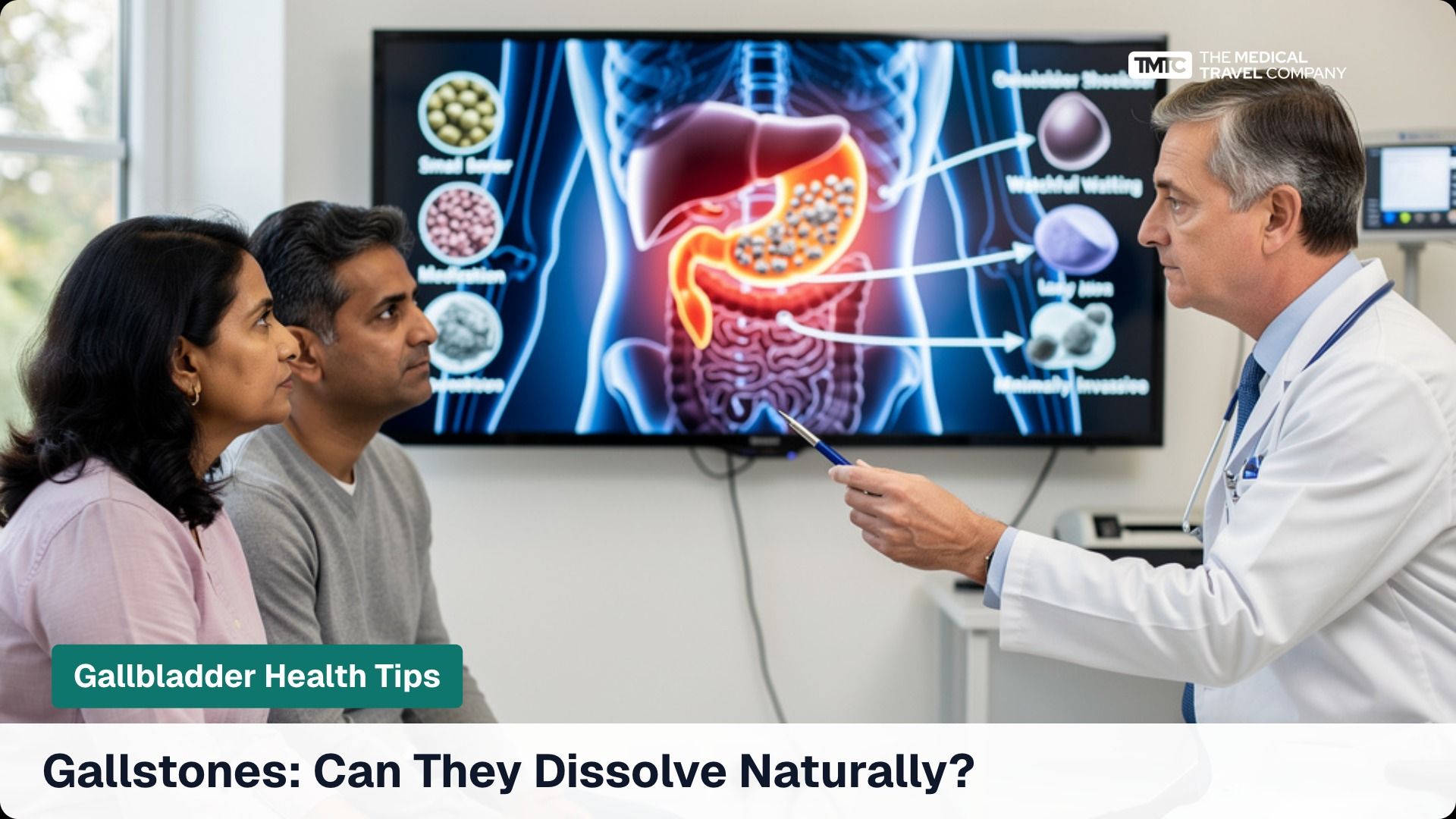
Dealing with gallstones can feel overwhelming, especially when you're wondering whether these painful stones might just disappear on their own. If you're one of the millions of UK adults affected by gallstones, you're likely searching for clear answers about your treatment options. While the idea of avoiding surgery might seem appealing, the reality is more complex than many people realise.
What Are Gallstones?
Gallstones are small, hard lumps that form inside your gallbladder – a small pouch located under your liver. According to University Hospitals Sussex NHS Foundation Trust, about 5.5 million adults in the UK have gallstones, making this a surprisingly common condition.
Your gallbladder stores and concentrates bile – a digestive fluid your liver makes to help break down fatty foods. When bile becomes too concentrated or contains too much cholesterol, it can form stones. Most gallstones are made from cholesterol, though some are formed from pigments and other substances in bile.
Who's most likely to develop gallstones?
Certain groups face higher risks. NHS data shows gallstones are more common in women, people who are overweight, and adults over 60. Other risk factors include rapid weight loss, certain medications, and family history of gallstones.
Recognising Gallstone Symptoms
Here's something that might surprise you: many people with gallstones never experience any symptoms at all. NHS research indicates that silent gallstones are incredibly common – you might have them right now and not know it.
When symptoms do occur, they typically include sharp pain in your upper abdomen, particularly on the right side under your rib cage. This pain often strikes after eating fatty meals and can last anywhere from a few minutes to several hours. You might also experience nausea, vomiting, or indigestion.
When to contact your GP immediately
- Severe abdominal pain that doesn't subside after a few hours
- High fever with chills alongside abdominal pain
- Yellowing of your skin or eyes (jaundice)
- Persistent vomiting that prevents you from keeping fluids down
- Clay-coloured stools or dark urine
Can Gallstones Disappear Naturally?
This is the question most people want answered, and unfortunately, the science isn't encouraging. Research shows that gallstones rarely dissolve or disappear on their own once they've formed. The composition of most gallstones – primarily cholesterol and calcium – makes them remarkably stable structures.
However, there's an important distinction to make here. If your gallstones aren't causing symptoms, you might not need immediate treatment. NICE guidelines suggest that asymptomatic gallstones often don't require intervention – an approach called 'watchful waiting'.
The reality is that once gallstones form, they tend to remain or even grow larger over time. While your symptoms might come and go, the stones themselves won't simply vanish. This is why understanding your treatment options becomes so important.
Natural Approaches and Lifestyle Changes
While gallstones won't disappear naturally, certain lifestyle modifications can help manage symptoms and potentially prevent new stones from forming. The Cambridge University Hospitals NHS Foundation Trust provides detailed dietary guidance for gallstone patients.
| Beneficial Changes | Foods to Limit | Why It Helps |
|---|---|---|
| High-fibre foods (oats, vegetables) | Fatty and fried foods | Reduces bile concentration |
| Regular, smaller meals | High-cholesterol foods | Promotes steady bile flow |
| Healthy weight maintenance | Rapid weight loss diets | Prevents bile saturation |
| Moderate healthy fats | Processed foods | Supports gallbladder function |
Some people explore herbal remedies like milk thistle or dandelion root, but there's limited scientific evidence supporting their effectiveness. Always discuss any supplements with your GP, especially if you're taking other medications or have underlying health conditions.
Medical Treatment Options in the UK
When gallstones cause persistent problems, medical intervention becomes necessary. The NHS offers several treatment approaches, with the most common being surgical removal of the gallbladder, called cholecystectomy.
Modern gallbladder surgery is typically performed using keyhole surgery (laparoscopic cholecystectomy), which involves small incisions rather than open surgery. Most patients can return home the same day or after an overnight stay. The good news? You can live perfectly normally without your gallbladder – your liver will continue producing bile, which flows directly into your intestines.
For patients who aren't suitable surgical candidates, medications like ursodeoxycholic acid can sometimes help dissolve cholesterol stones, though this process can take months or years and isn't always successful. Some patients might benefit from procedures like minimally invasive stone removal techniques similar to those used for kidney stones.
Alternative treatment options
In specific cases, doctors might recommend ERCP (endoscopic retrograde cholangio-pancreatography) to remove stones from the bile duct. This procedure uses a thin, flexible tube passed through your mouth to access and clear blocked bile ducts.
Potential Complications of Untreated Gallstones
While some people live comfortably with asymptomatic gallstones for years, leaving symptomatic stones untreated can lead to serious complications. Understanding these risks helps you make informed decisions about treatment timing.
Gallstone pancreatitis occurs when stones block the pancreatic duct, causing severe inflammation. Research on gallstone pancreatitis management shows this condition requires prompt medical attention and often emergency surgery.
Other complications include cholangitis (bile duct infection), gallbladder perforation, and in rare cases, gallbladder cancer. These serious conditions underscore why many doctors recommend treating symptomatic gallstones proactively rather than waiting for complications to develop.
Getting Diagnosed: What to Expect
NICE guidelines recommend that doctors offer liver function tests and ultrasound scans for suspected gallstone disease. Ultrasound remains the gold standard for gallstone diagnosis – it's non-invasive, widely available across the UK, and highly accurate.
During your ultrasound appointment, a technician will apply gel to your abdomen and use a handheld device to create images of your gallbladder. The procedure is painless and typically takes 15-30 minutes. If you're experiencing symptoms but ultrasound results are unclear, your doctor might recommend additional tests like CT scans or MRCP (magnetic resonance cholangiopancreatography).
Blood tests help rule out complications and assess your overall liver function. Elevated levels of certain enzymes can indicate bile duct blockage or inflammation, helping guide your treatment plan.
Making Treatment Decisions That Work for You
Choosing the right approach to gallstone treatment depends on several factors: your symptoms, overall health, lifestyle, and personal preferences. NHS England's decision support tools help patients weigh these considerations carefully.
If you're experiencing recurring symptoms that affect your quality of life, surgery often provides the most definitive solution. However, if your gallstones are discovered incidentally and aren't causing problems, monitoring might be the best initial approach.
We understand that facing gallstone treatment can feel daunting, especially when you're weighing surgical options. Our experienced team provides world-class care with personalised treatment plans that consider your unique circumstances and preferences. Many of our patients find that accessing affordable surgical options helps them get the treatment they need without lengthy NHS delays.
Consider discussing your options with specialists who can provide expert guidance tailored to your situation. Sometimes seeking a second opinion or exploring private treatment options can offer you more flexibility in timing and approach.
Key Points to Remember
- Gallstones rarely disappear naturally once formed – medical intervention is usually needed for symptomatic stones
- Many people have asymptomatic gallstones that never require treatment
- Lifestyle changes can help manage symptoms but won't eliminate existing stones
- Modern gallbladder surgery is safe and effective, with most patients returning home within 24 hours
- Seek immediate medical attention for severe symptoms like intense pain, fever, or jaundice
Remember, you don't have to navigate gallstone treatment alone. Whether you're dealing with painful symptoms or simply want to understand your options, healthcare professionals are there to guide you toward the best solution for your circumstances. The most important step is having an honest conversation with your GP about your symptoms and concerns.
References:
- University Hospitals Sussex NHS Foundation Trust - Gallstones Patient Information- Statistics on gallstone prevalence and risk factors
- NICE Guidelines - Gallstone Disease: Diagnosis and Management- Clinical recommendations for gallstone diagnosis and treatment
- NHS - Gallstones Treatment Information- Overview of surgical and non-surgical treatment options
- PMC - Definitive Management of Gallstone Pancreatitis in England- Research on complications and treatment approaches
- Cambridge University Hospitals NHS Foundation Trust - Dietary Advice for Gallstone Patients- Nutritional guidance for managing symptoms
- NHS England - Making a Decision About Gallstones- Patient decision support tools and guidance
Related Articles



Ready to open the door to better health?