Affordable Kidney Stone Removal Abroad: Costs, Recovery, and Expert Care for Kenyan Patients
Explore affordable kidney stone removal options abroad, including costs, recovery, and expert guidance for Kenyan patients.
15 July 20268m

Medical professional with 10+ years’ experience in diagnosis, patient care, and clinical leadership.
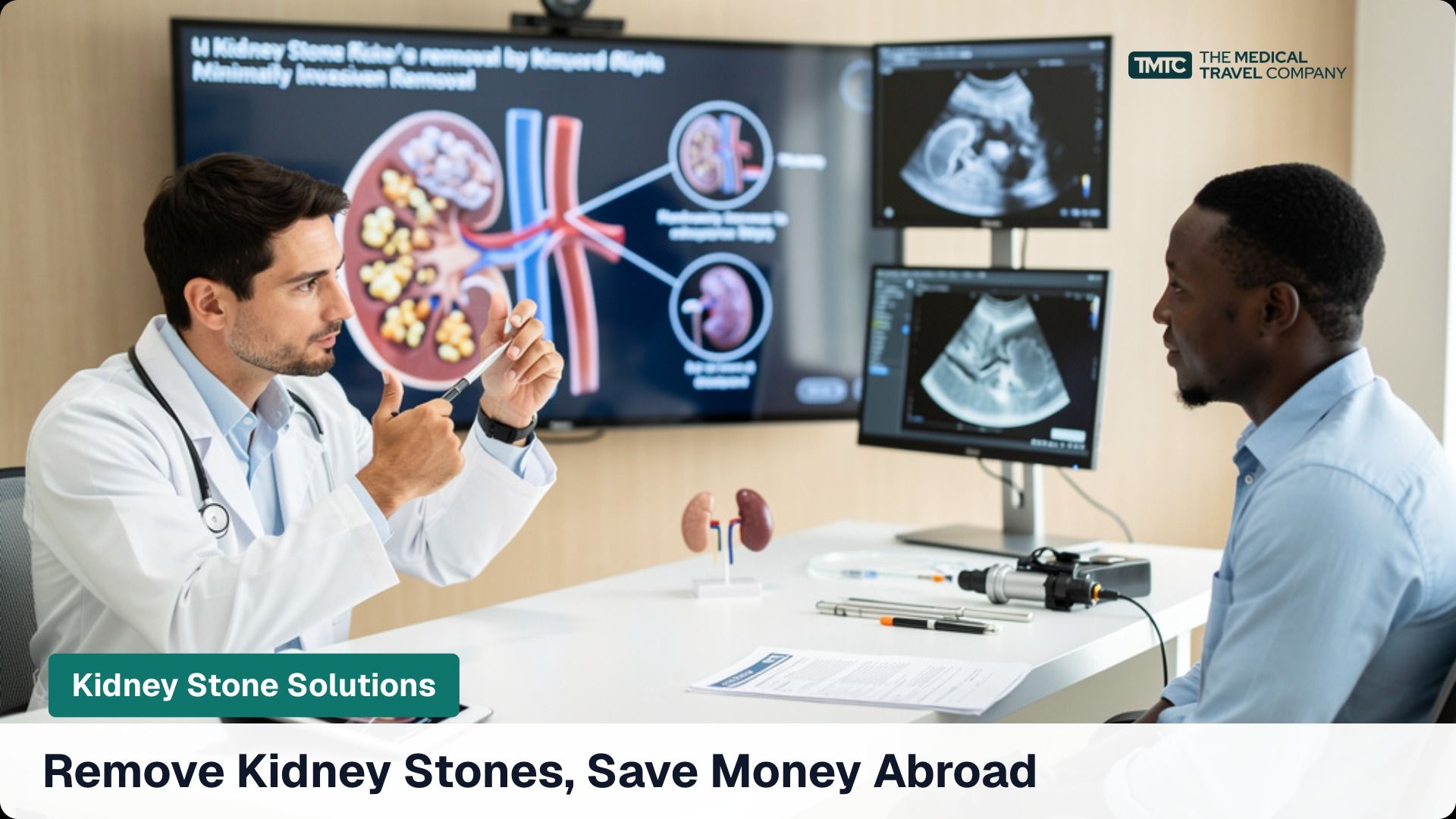
When kidney stones strike, the intense pain can leave you searching for the fastest, most effective treatment available. For many Kenyan patients, this search increasingly leads beyond local borders to world-class healthcare facilities abroad offering advanced kidney stone removal at significantly lower costs than traditional destinations.
Understanding Your Kidney Stone Treatment Options
Kidney stones affect roughly one in ten people worldwide, causing excruciating pain as these hard mineral deposits move through your urinary tract. The intensity often matches that of childbirth, making prompt treatment essential for your comfort and health.
Modern kidney stone removal abroad offers you access to the latest minimally invasive techniques without the lengthy waiting lists common in many healthcare systems. Countries like India, Turkey, and Thailand have become leading destinations for urology surgery abroad, combining advanced technology with experienced specialists at costs up to 70% lower than Western countries.
The symptoms of kidney stones vary but typically include severe pain in your back or side, blood in urine, frequent urination, and nausea. If you're experiencing these symptoms, getting proper evaluation and treatment quickly can prevent complications like kidney damage or infections.
Kidney Stone Surgery Costs: What You'll Actually Pay
Understanding the true cost of kidney stone surgery helps you make informed decisions about your care. Here's what you can expect to pay for different procedures abroad compared to local options.
| Procedure | Cost in Kenya (USD) | Cost Abroad (USD) | Potential Savings |
|---|---|---|---|
| Laser Lithotripsy | $3,500–5,000 | $1,500–2,500 | Up to 60% |
| ESWL (Extracorporeal Shock Wave Lithotripsy) | $2,000–3,500 | $800–1,500 | Up to 65% |
| Ureteroscopy (URS) | $4,000–6,000 | $1,200–2,800 | Up to 70% |
| Percutaneous Nephrolithotomy (PCNL) | $5,500–8,000 | $2,000–3,500 | Up to 65% |
These figures include the procedure itself, but you'll want to budget for additional expenses. Travel costs typically range from $500-1,500 depending on your destination and length of stay. Accommodation for you and a companion might add another $300-800 for a week-long trip.
Many international healthcare facilities offer comprehensive packages that bundle surgery, hospital stay, medications, and sometimes even accommodation. This transparency helps you avoid surprise costs that can inflate medical bills significantly.
Insurance coverage varies widely for treatment abroad. Some Kenyan insurance providers cover emergency treatment overseas, while others offer specific medical tourism policies. Check with your provider about coverage for planned procedures, as this could substantially reduce your out-of-pocket expenses.
Modern Kidney Stone Removal Techniques
Today's kidney stone treatments are far more sophisticated and less invasive than older methods. Understanding your options helps you choose the best approach for your specific situation.
Laser Kidney Stone Treatment: The Gold Standard
Laser kidney stone treatment represents the most advanced option available today. This minimally invasive procedure uses powerful laser energy to break stones into tiny fragments that pass naturally through your system.
The procedure typically takes 30-90 minutes and requires only small incisions or natural body openings. Most patients go home the same day or after one night in the hospital. Recovery time is significantly shorter compared to traditional surgery, with most people returning to normal activities within a few days.
ESWL vs Laser Treatment: Choosing the Right Option
Extracorporeal Shock Wave Lithotripsy uses sound waves to break up stones from outside your body. While less invasive than laser treatment, ESWL works best for smaller stones in specific locations.
ESWL vs laser treatment comes down to your stone's size, location, and composition. Stones larger than 2cm or located in certain areas of your kidney respond better to laser treatment. Your urologist will recommend the best option based on detailed imaging studies.
Ureteroscopy: Precise Stone Removal
The ureteroscopy procedure involves threading a thin, flexible camera through your urinary tract to directly visualize and remove stones. This approach works exceptionally well for stones stuck in the ureter, the tube connecting your kidney to your bladder.
Ureteroscopy procedure cost abroad ranges from $1,200-2,800, making it an affordable option for precise stone removal. The technique can be combined with laser treatment for optimal results, especially for complex cases involving multiple stones.
Your Recovery Journey After Kidney Stone Surgery
Recovery after kidney stone surgery varies depending on the procedure you've had, but modern techniques generally offer faster healing times and less discomfort than traditional methods.
What to Expect in the First 48 Hours
Immediately after your procedure, you might experience some discomfort as stone fragments pass through your system. This is completely normal and indicates the treatment is working. Your medical team will provide pain medication to keep you comfortable during this phase.
Drinking plenty of water becomes crucial during recovery. Aim for 8-10 glasses daily to help flush out stone fragments and reduce the risk of new stones forming. You might notice some blood in your urine for the first few days, which typically resolves on its own.
Long-term Recovery and Activity Resumption
Most patients return to desk work within 2-3 days after minimally invasive procedures. Physical activities and exercise can usually resume within one week, though you should avoid heavy lifting for about two weeks to allow complete healing.
Your healthcare provider abroad will give you a detailed recovery plan before you travel home. This typically includes follow-up imaging schedules, medication instructions, and warning signs that require immediate medical attention.
Preventing Future Stones Through Diet
A proper diet for kidney stones prevention can dramatically reduce your risk of recurrence. The specific dietary changes depend on your stone type, which is determined through laboratory analysis of any retrieved fragments.
For calcium oxalate stones, the most common type, reducing oxalate-rich foods like spinach, nuts, and chocolate while maintaining adequate calcium intake helps prevent formation. Limiting sodium and animal protein while increasing water intake forms the foundation of stone prevention for most patients.
Your treatment abroad typically includes consultation with a nutritionist who'll create a personalized prevention plan. This guidance proves invaluable for recurrence prevention kidney stones, as dietary modifications can reduce your risk by up to 50%.
Expert Guidance and Personalized Treatment Plans
Choosing the right medical facility abroad involves more than just comparing prices. The quality of care, surgeon experience, and hospital accreditation should guide your decision-making process.
Selecting Your Healthcare Provider
Look for hospitals with international accreditation from organizations like JCI (Joint Commission International) or equivalent standards. These certifications ensure the facility meets global safety and quality benchmarks similar to leading Western hospitals.
Your surgeon's experience with your specific procedure matters tremendously. Ask about their training background, number of procedures performed annually, and success rates. Many international hospitals provide detailed surgeon profiles and patient testimonials to help your decision.
Similar to how patients seek specialized care for complex conditions like those requiring hip replacement surgery, kidney stone treatment benefits from specialists who focus specifically on urological procedures and have extensive experience with the latest techniques.
Your Treatment Experience from Arrival to Recovery
Leading medical tourism facilities provide seamless experiences that begin before you even leave Kenya. This includes pre-travel consultations via video calls, assistance with visa applications, and airport pickup services.
During your stay, dedicated patient coordinators ensure smooth communication between you and your medical team. Language barriers rarely pose problems, as most international facilities employ multilingual staff and provide translation services when needed.
Post-Surgery Follow-Up Care
Proper follow-up care prevents complications and ensures long-term success of your treatment. Your international healthcare provider typically arranges follow-up imaging studies and consultations that can be completed locally in Kenya.
Many facilities maintain ongoing relationships with patients through telemedicine consultations. This allows your surgeon abroad to monitor your recovery and provide guidance without requiring additional travel.
For complex cases requiring multiple procedures, some patients find value in establishing ongoing relationships with international specialists, similar to patients who travel for procedures like knee replacement surgery and return for follow-up care or additional treatments.
Making Your Treatment Decision
Kidney stone removal abroad offers you access to world-class care at significantly reduced costs while often providing faster treatment than waiting for local options. The combination of advanced techniques, experienced surgeons, and comprehensive care packages makes medical tourism an increasingly attractive option for Kenyan patients.
The key to success lies in thorough research and choosing reputable facilities with proven track records. Consider factors beyond just cost, including surgeon experience, hospital accreditation, and the comprehensiveness of care packages.
Expert guidance helps you navigate the various options available and choose the treatment approach best suited to your specific condition. Many patients find that the personalized attention and advanced technology available abroad exceed their expectations while providing substantial cost savings.
Whether you're dealing with recurring stones or facing your first episode, exploring treatment options abroad could provide the high-quality care you need at a price that makes sense for your budget. The investment in proper treatment now can prevent future complications and improve your long-term quality of life significantly.
Related Articles

Ready to open the door to better health?